Start with the work you actually do
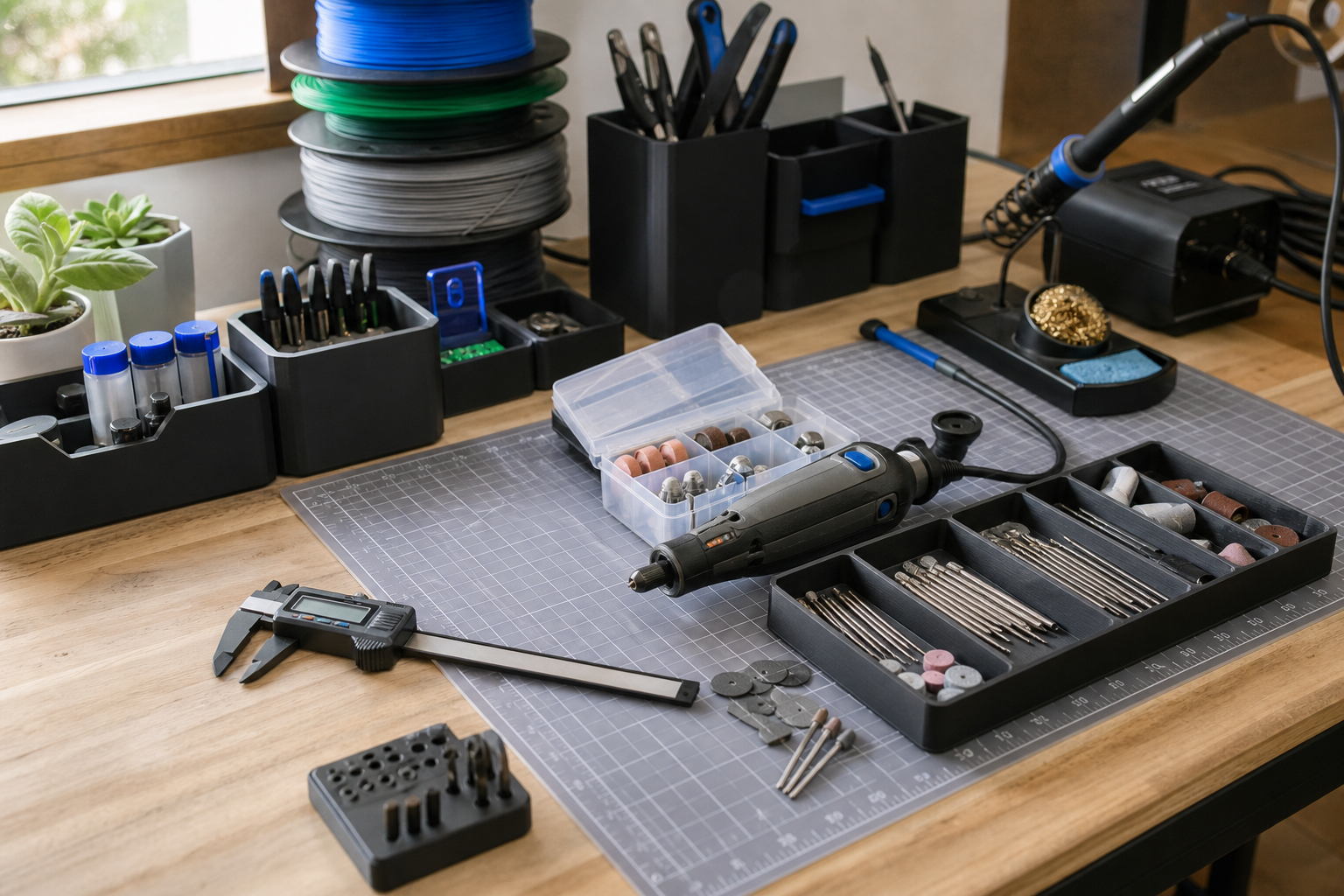
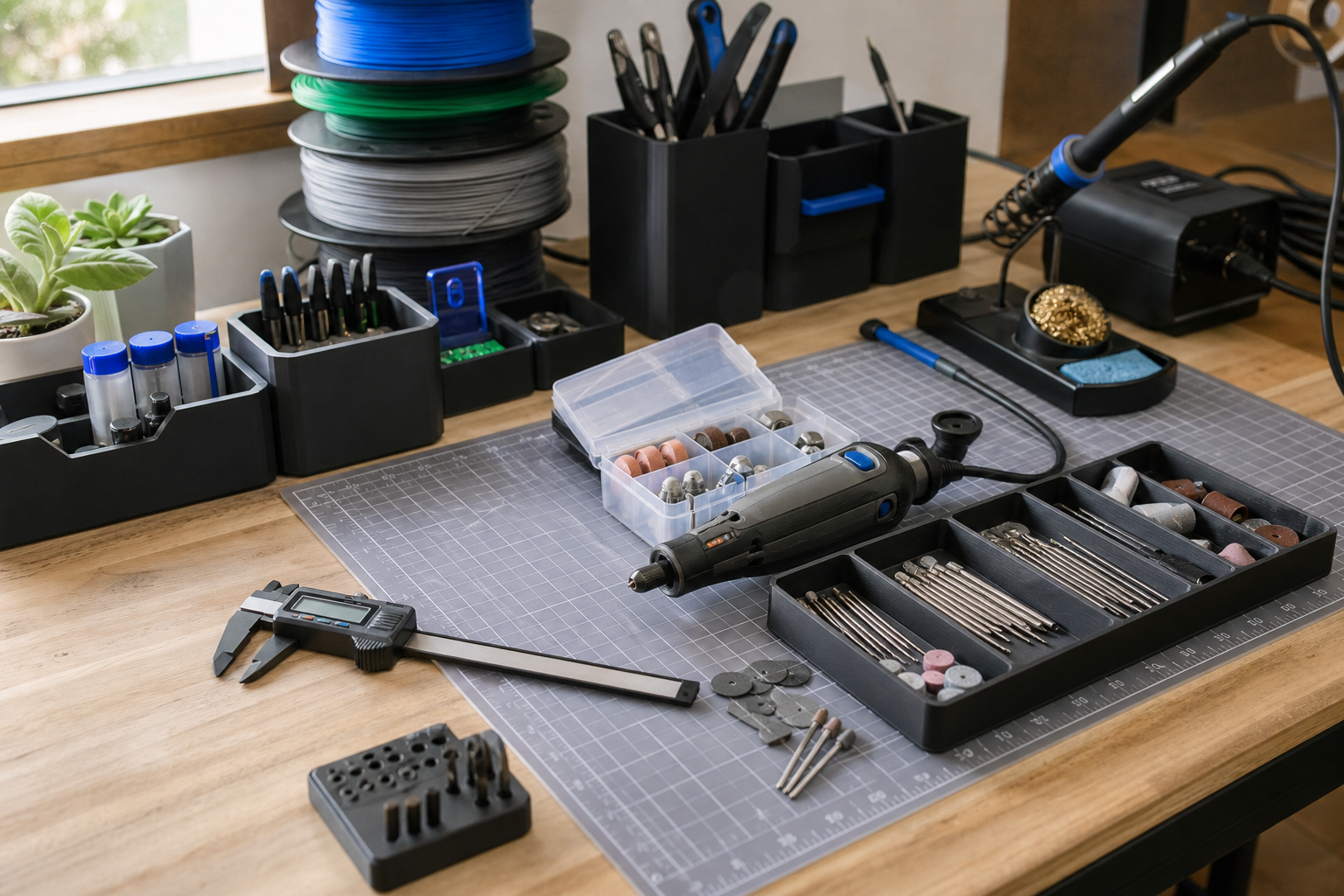
A good tool purchase starts with your projects, not with a brand name. If you cut, grind, polish, or engrave often, compare rotary tools by speed control, collet compatibility, vibration, and access to replacement bits. If electronics work is the priority, look at soldering station temperature stability, tip availability, stand design, and heat-up behavior.
- For rotary tools, check low-speed control and accessory compatibility.
- For soldering stations, compare replacement tips and temperature display style.
- For long sessions, compare grip size, weight, and cable flexibility.
- Check whether consumables and spare parts are easy to find.
Compare materials and measurement quality
For 3D printing, filament performance depends on more than material type. Storage condition, diameter tolerance, winding quality, and fit with your printer’s temperature range can all affect results. Choose PLA, PETG, ABS, or other materials around your print environment and finishing plans, then verify the maker’s recommended settings.
Calipers are the reference point for repeatable work. Digital models are quick and easy to read but need battery attention, while analog models are simpler and often more tolerant of rough storage.
- For filament, check seal condition, tolerance, and color consistency.
- For moisture-sensitive materials, consider storage boxes or drying options.
- For calipers, check zeroing, lock screw feel, and jaw finish.
- If you mix metalwork and 3D printing, a 150 mm class caliper is a practical starting point.
Look beyond the sticker price
Tool organizers are not just storage; they shape how quickly you can work. Bits, tips, nozzles, screws, and small parts should be easy to see and return to place. Choose wall racks, drawers, stackable bins, or mobile organizers based on the space you actually use.
Use online marketplaces, specialist tool shops, and maker stores as neutral places to verify price, delivery timing, return policy, and availability. Before buying, also check compatibility, warranty terms, physical dimensions, and whether replacement consumables are available.
- Keep frequently used tools in easy reach.
- Transparent drawers and dividers help with small parts.
- Check whether bundled kits include accessories you will actually use.
- Compare return rules and delivery windows across stores.
Frequently asked questions
What should I compare first?
A neutral checklist for choosing rotary tools, soldering stations, filament, calipers, and tool organizers without relying on hype or short-term deals. Start with use frequency, dimensions, warranty, replacement parts, recent reviews, and the return policy before chasing the lowest price.
Should I check Amazon, Coupang, or AliExpress first?
Use Amazon and Coupang for fast delivery categories, then compare AliExpress for low-cost accessories, parts, and bundles.
Where should I confirm price and availability?
Prices, coupons, shipping times, and stock change often, so confirm the final details on the merchant page before buying.